同时做两件事
一边……一边……
看菜谱+学做菜,不是找词序,而是把「同时」说出来:
我一边看菜谱,一边学做菜。
The worksheet contains ten answers; these three are the reusable moves worth carrying into later speech.作业有十个答案;真正值得带走的是下面三个会在以后开口时用到的动作。
看菜谱+学做菜,不是找词序,而是把「同时」说出来:
我一边看菜谱,一边学做菜。
先听见一个真实的原因,再说结果。以后可以换成「太难」「太慢」「太辣」。
你对做什么有兴趣?这里有一个真正的回答空间,而不是唯一排列法。
点词语把它放进句子;再点一次就退回。它是作业核对,不是本页的主学习路径。
介绍:鱼香肉丝是非常有名的四川家常菜。这个菜是用做鱼的调料炒猪肉丝,所以菜的名字里面有「鱼」,可是菜里面没有「鱼」。
材料:瘦猪肉二百克、竹笋五十克、木耳二十五克、葱二十五克、蒜十五克、姜十克、红辣椒二十五克、盐一克、糖十五克、醋五克、酱油一克、水五十克、淀粉二十五克、油一百克。
做法:猪肉、竹笋、木耳切成丝。葱、姜、蒜、红辣椒也切一下儿。
在碗里放盐、糖、醋、酱油、葱、淀粉和水,搅拌一下儿,做成汁。
在锅里放一些油,油热了以后放猪肉丝炒一下儿,然后加姜、蒜和红辣椒一起炒,再加竹笋丝和木耳丝一起炒,最后放准备好的汁炒一下儿,就好了。
The plan as it stood on 2026-09-12, before cooking: dinner for three, from one Checkers Sixty60 order. How it actually went comes next, once cooked. Our recipe is a hybrid, doubled. The backbone is Red House Spice: pickled chilli for the heat, carrot, and its amounts of pork, vinegar and soy. Celery comes from The Mala Market, and the sugar level and rice vinegar from The Woks of Life. The rest are our own swaps for what Checkers had.
| 原料 | 我们用 | 为什么 |
|---|---|---|
| 瘦猪肉 | Pork loin chops, sliced ourselves (~800g bone-in) | No ready-cut strips. Loin is lean, like the textbook's. |
| 竹笋 | Carrot + celery | No bamboo shoots on Checkers. Celery is the Mala Market's own stand-in. |
| 木耳 | Dried shiitake, 20g (soaks up to ~100g) | No wood ear. Chewier and more savoury; the soaking water goes into the sauce. |
| 泡椒 | Hot Peppadew + 1–2 bird's eye | Fills the pickled-chilli slot (the textbook has only fresh 红辣椒). |
| 醋 | Balsamic + rice vinegar, 1:1 | No Chinkiang black vinegar; Red House Spice says nothing really replaces it. |
| 淀粉 | Maizena | Same thing. |
| 豆瓣酱 | — | Not on Checkers. The Mala Market uses pickled chilli or bean paste, so the Peppadew version stands on its own. |
| 料酒 | — (skipped) | Only sweet sherry on offer; the wine is background aroma. |
Should taste about equally sweet and sour.
Cool and crisp against the hot pork; no stove.
The everyday South African kind rather than jasmine: a little less fragrant, fine under a saucy stir-fry. Enough for three, with leftovers for fried rice the next day.
Pack sizes leave plenty over: carrot, celery, Peppadew and shiitake for later meals.
Photos planned: prep board · pork in the pan · sauce going in · plated — for the how-it-went section, like 炒饭's 实拍.
| Woks of Life | Red House Spice | Mala Market | 课文 | 我们 | |
|---|---|---|---|---|---|
| 猪肉 | 225g | 280g | 340–450g | 200g | ~300g ← RHS |
| 辣 | 1 tbsp bean sauce + dried chillies | 2 tbsp pickled chilli | bean paste or 2–3 tbsp pickled chilli | fresh chilli only | 2 tbsp hot Peppadew + bird's eye ← RHS |
| 醋 | 1½ tbsp rice | 2 tbsp black | 3 tbsp black | 5g (~1 tsp) | 1 tbsp balsamic + 1 tbsp rice ← RHS amount, WoL rice |
| 糖 | 1½ tbsp | 2 tbsp | 2 tbsp | 15g (~1 tbsp) | 1½ tbsp ← WoL |
| 酱油 | 1 tbsp | 1 tbsp + ½ tbsp dark | 1 tbsp | 1g | 1 tbsp, no dark |
| 菜 | wood ear, celtuce | carrot, bamboo, wood ear | celery, wood ear | bamboo, wood ear | carrot ← RHS, celery ← MM, shiitake |
All three put in at least as much vinegar as sugar (荔枝口, the "lychee" balance). The textbook uses about a third as much vinegar as sugar, which is why it reads as the mild version. We took the lower sugar because balsamic is already sweeter than black vinegar; the vinegar still comes out ahead.
Cooked on 2026-09-12 for three, in our own photos. Most of the plan held. These were the changes.
| 计划 | 实际 | 为什么 | |
|---|---|---|---|
| 猪肉 | Thin matchsticks | Bite-size pieces, some fat left on | Easier |
| 胡萝卜 · 芹菜 | Matchsticks | Carrot in half- and quarter-moons; celery diced, leaves too | Easier |
| 姜蒜 | Minced by knife | A mini chopper | — |
| 锅 | One wok | Pork seared and vegetables fried in the wok, then all of it finished in a rectangular electric pan | A double batch didn't fit |
| 拍黄瓜 | Garlic, rice vinegar, soy, sugar, sesame oil | Salt and sesame oil only | — |
| 骨头 · 猪皮 | Trimmed off | Salted and fried on the side: mostly for the dogs, a piece each for us | — |
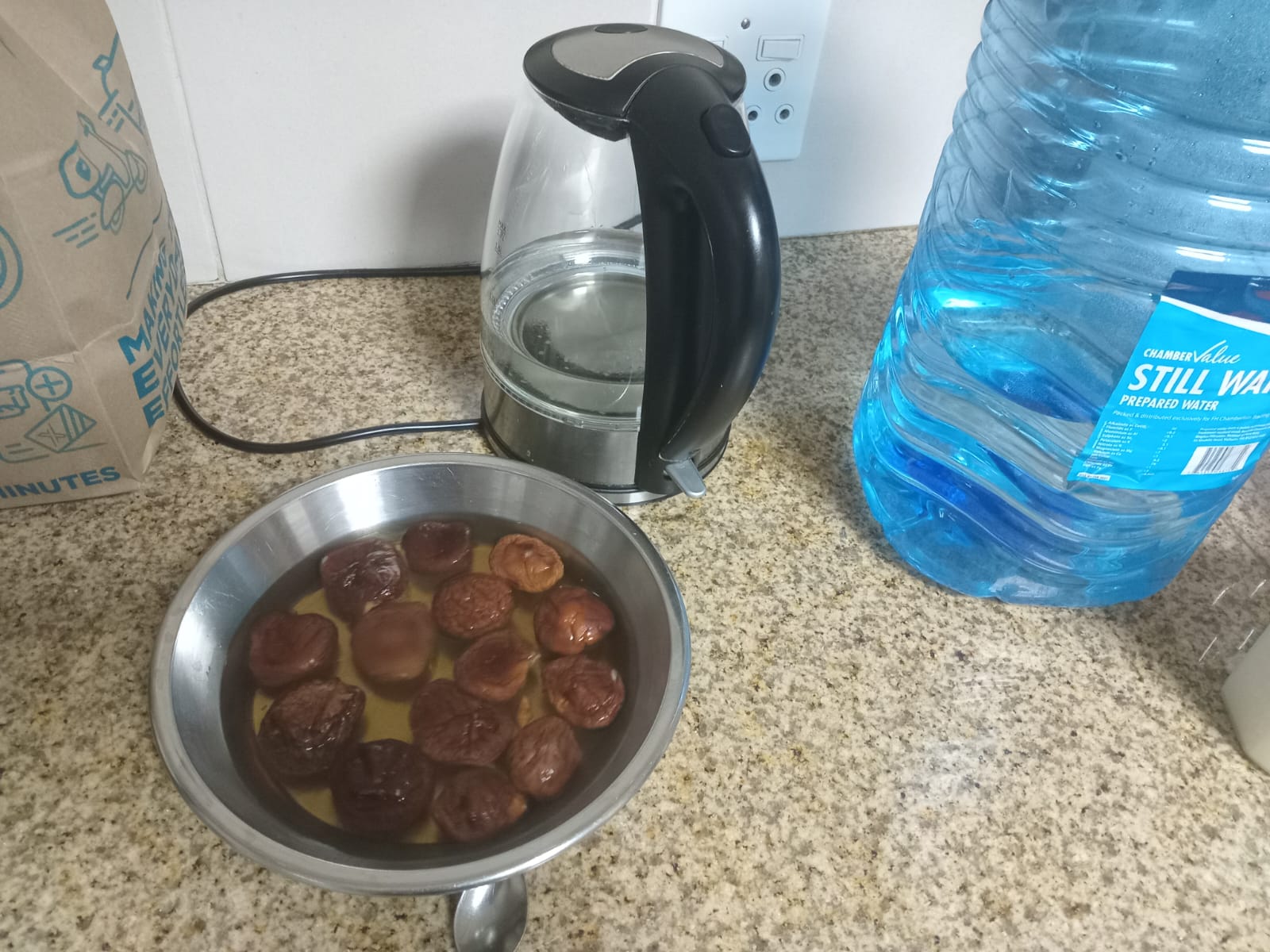
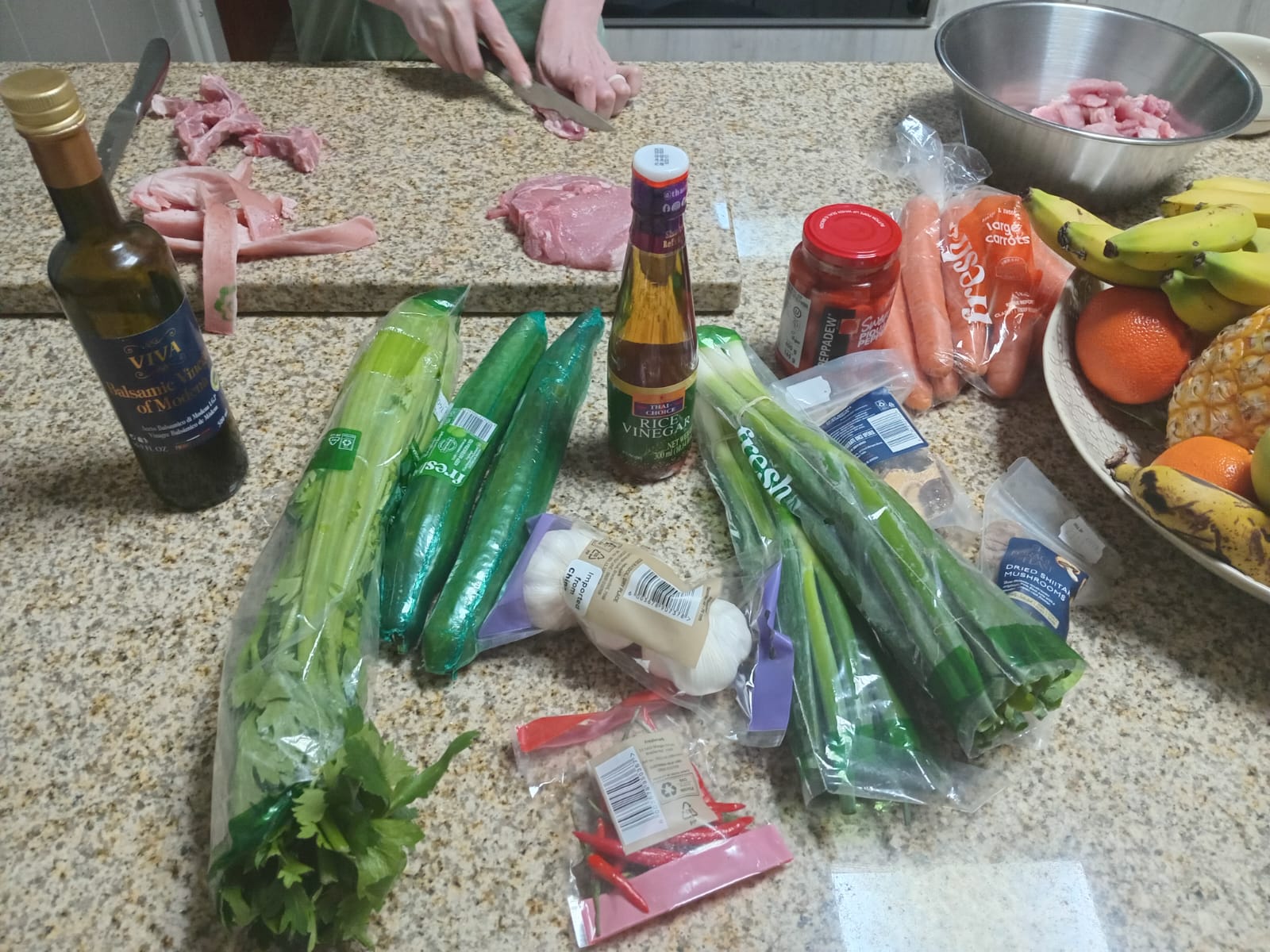
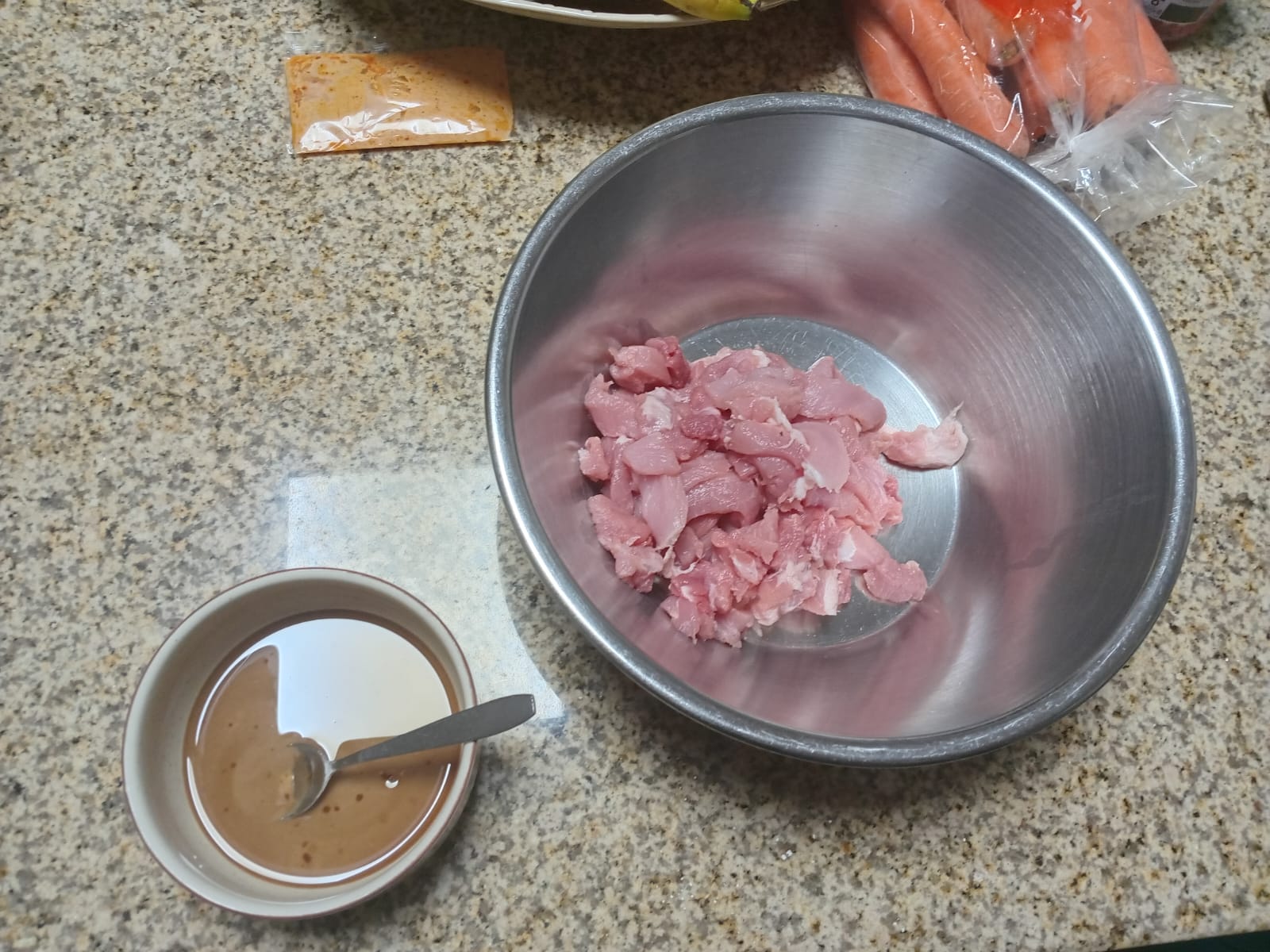
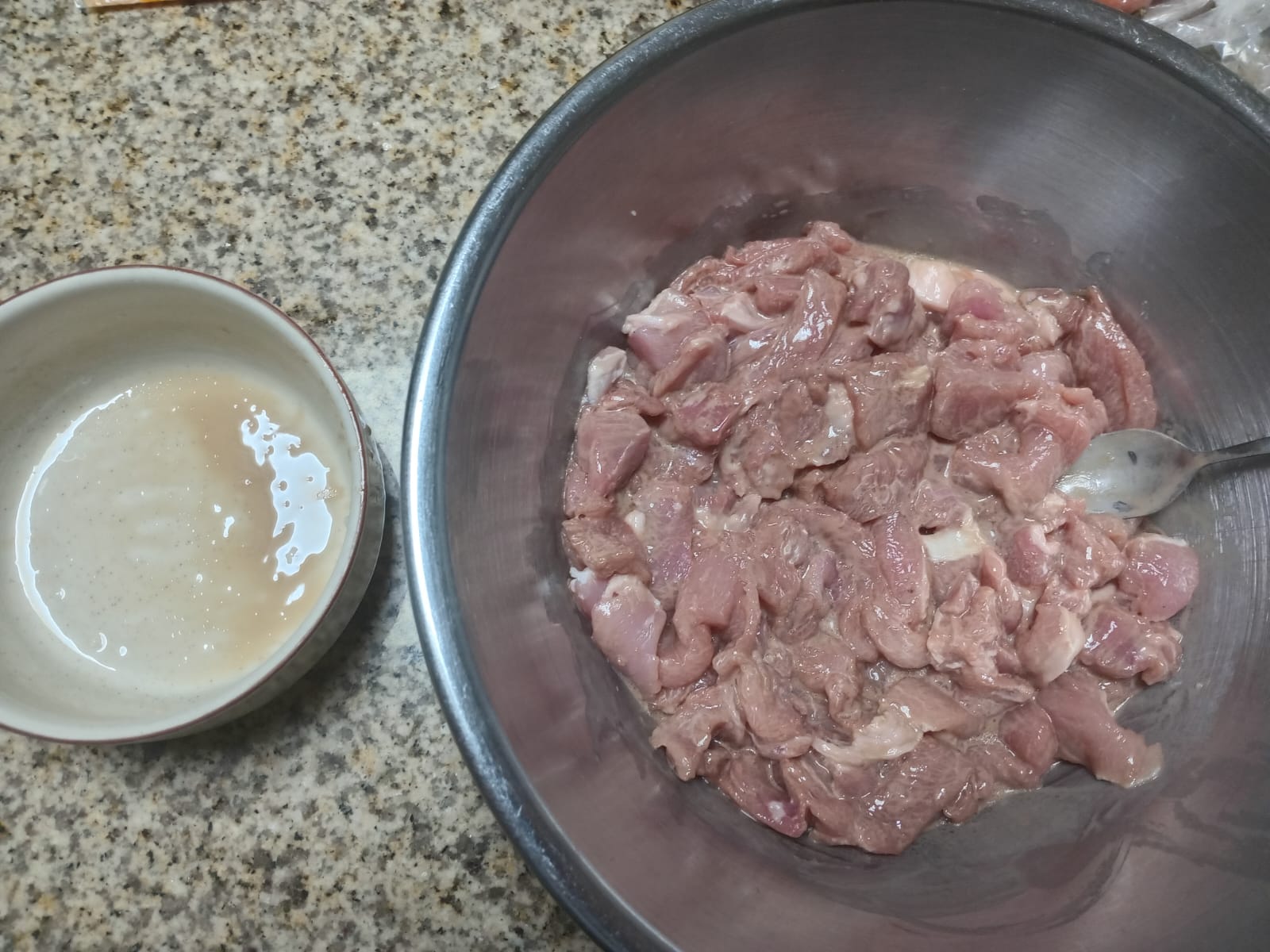
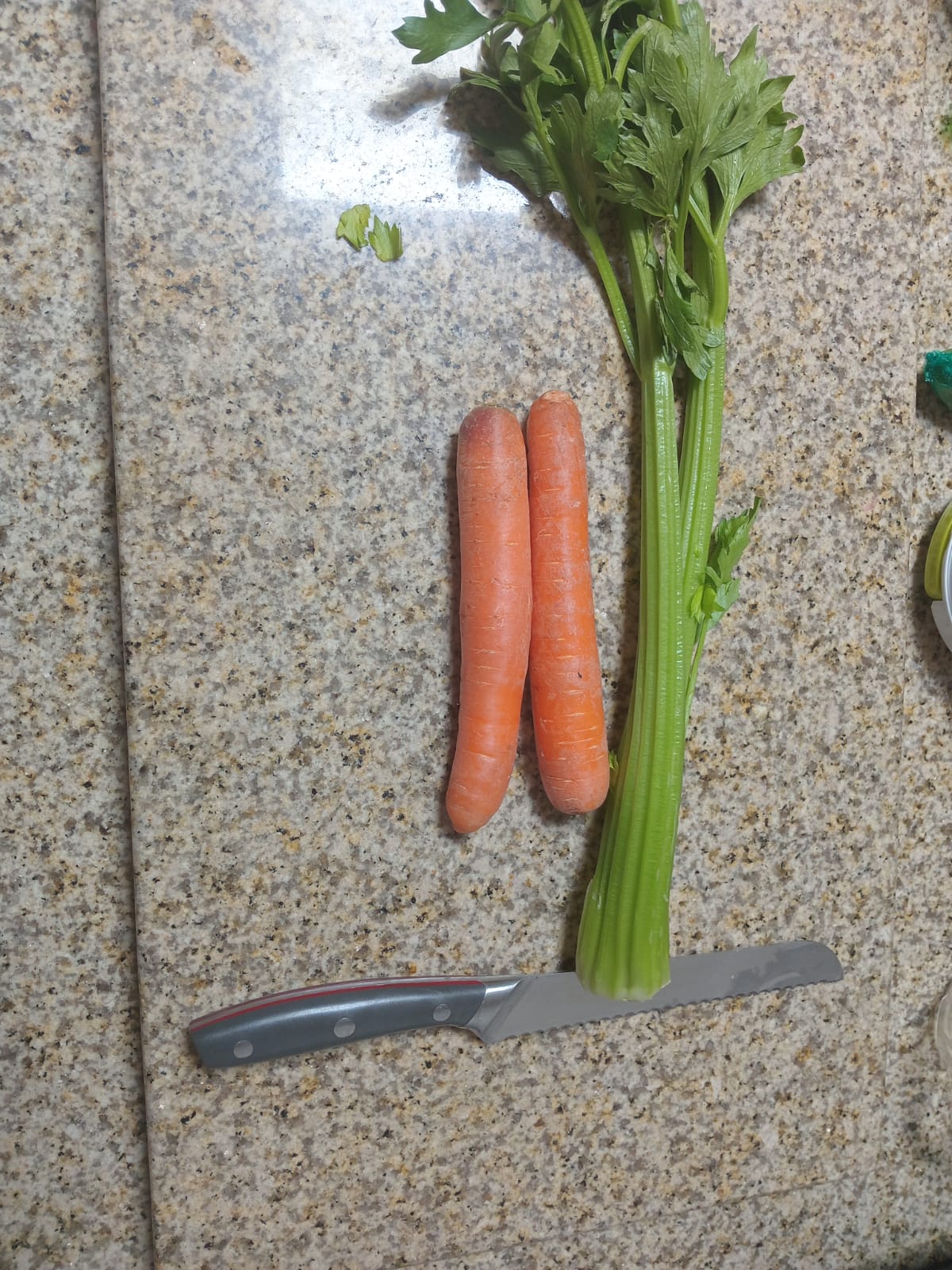
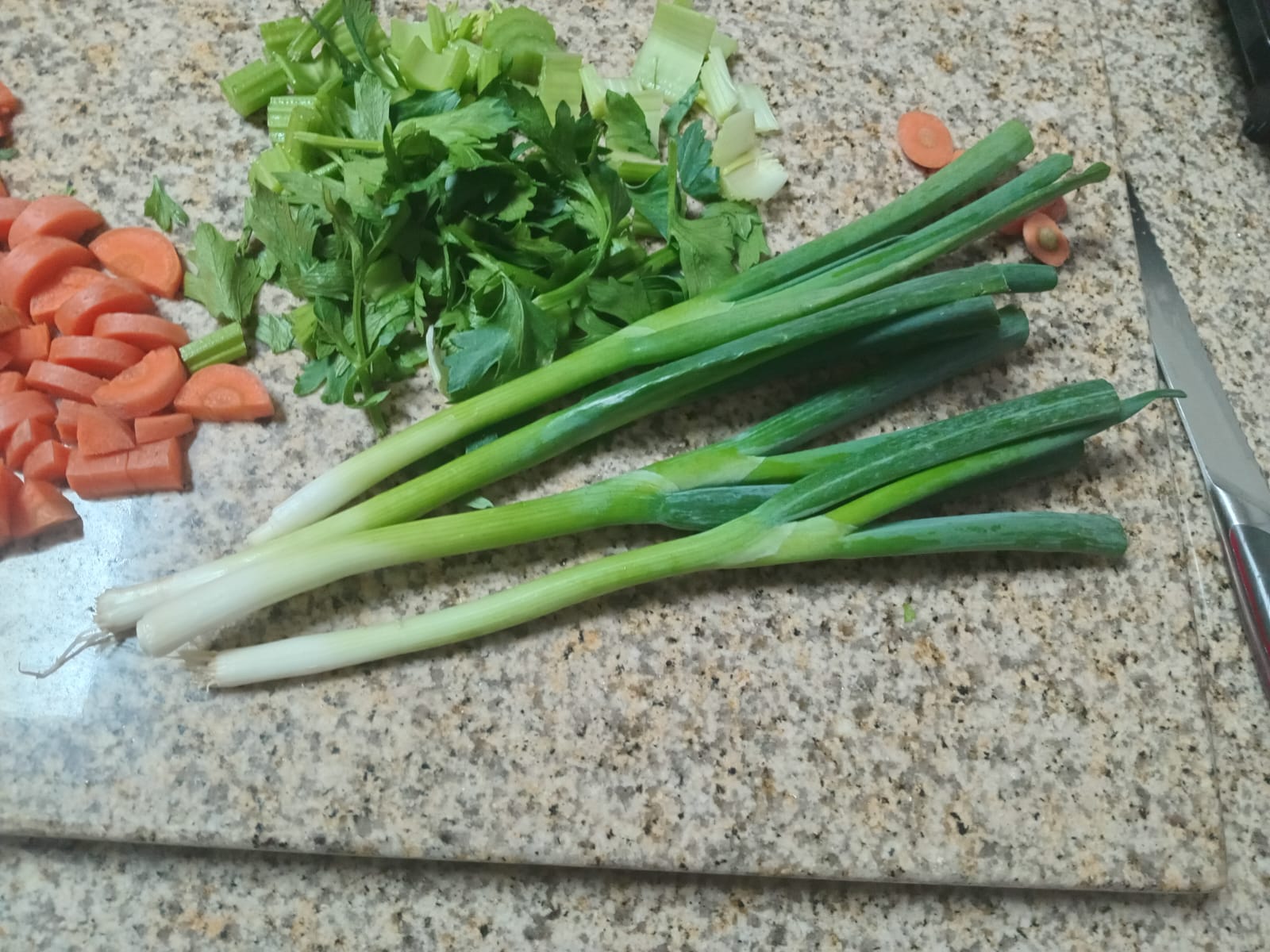
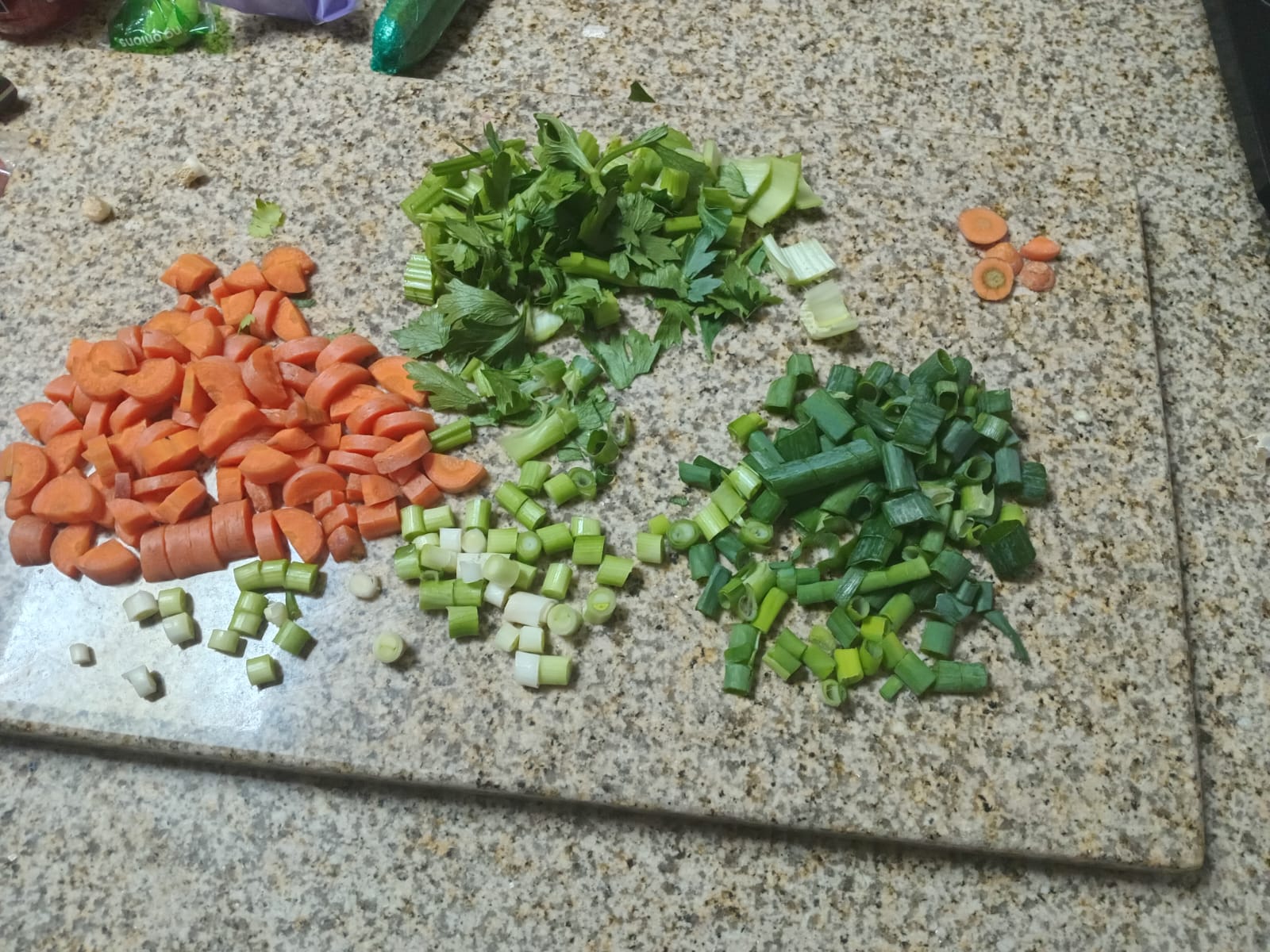
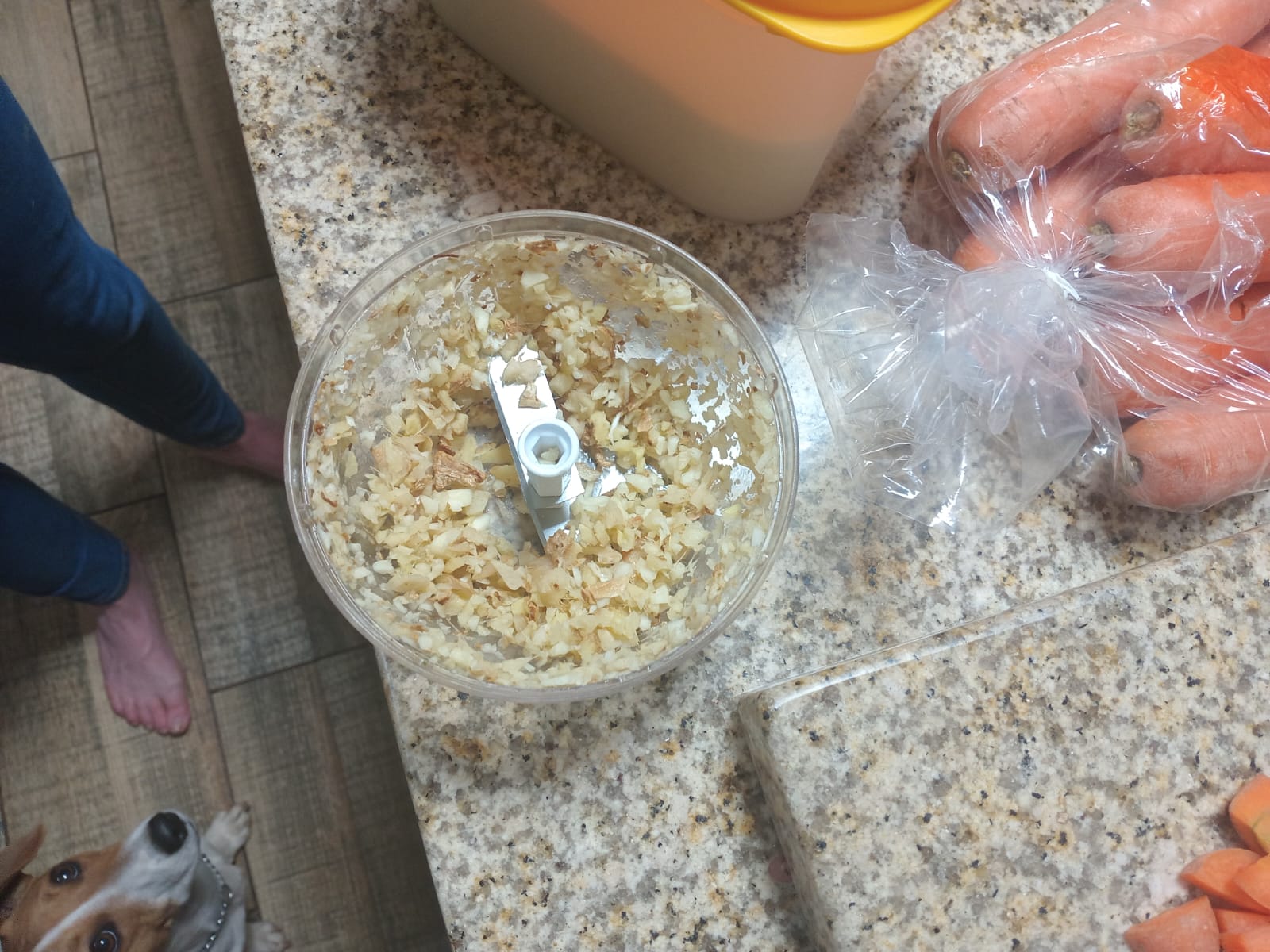
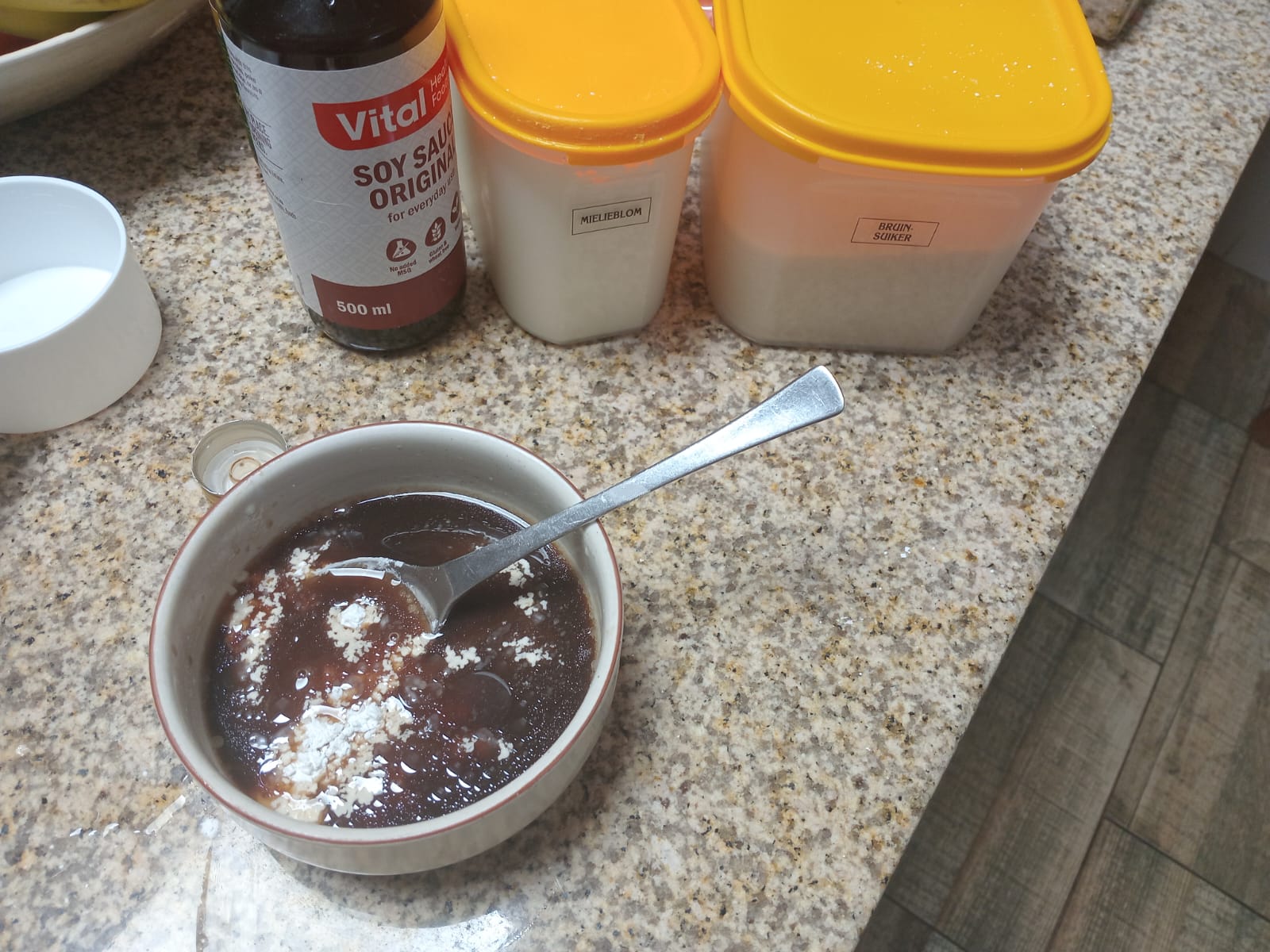
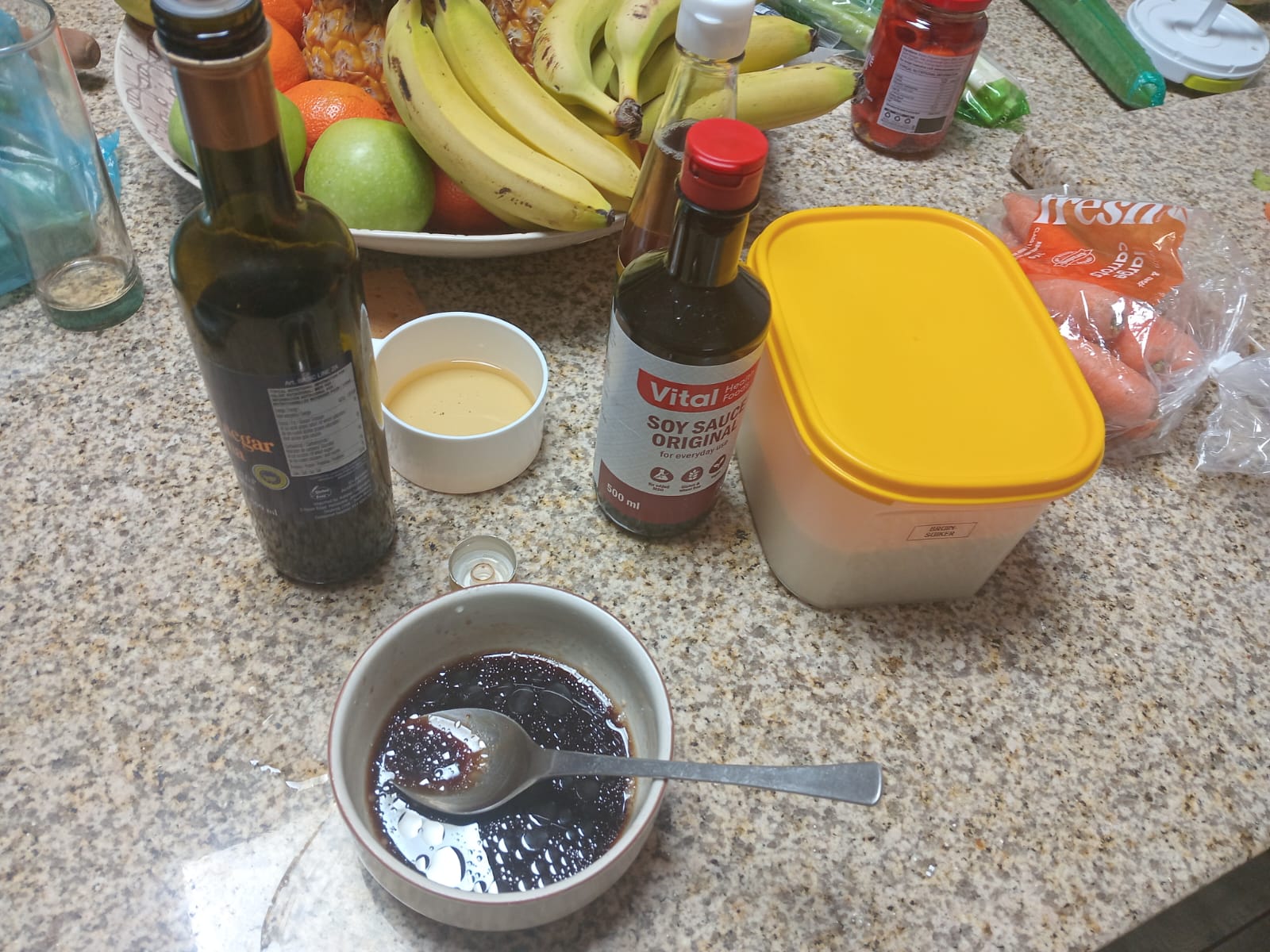
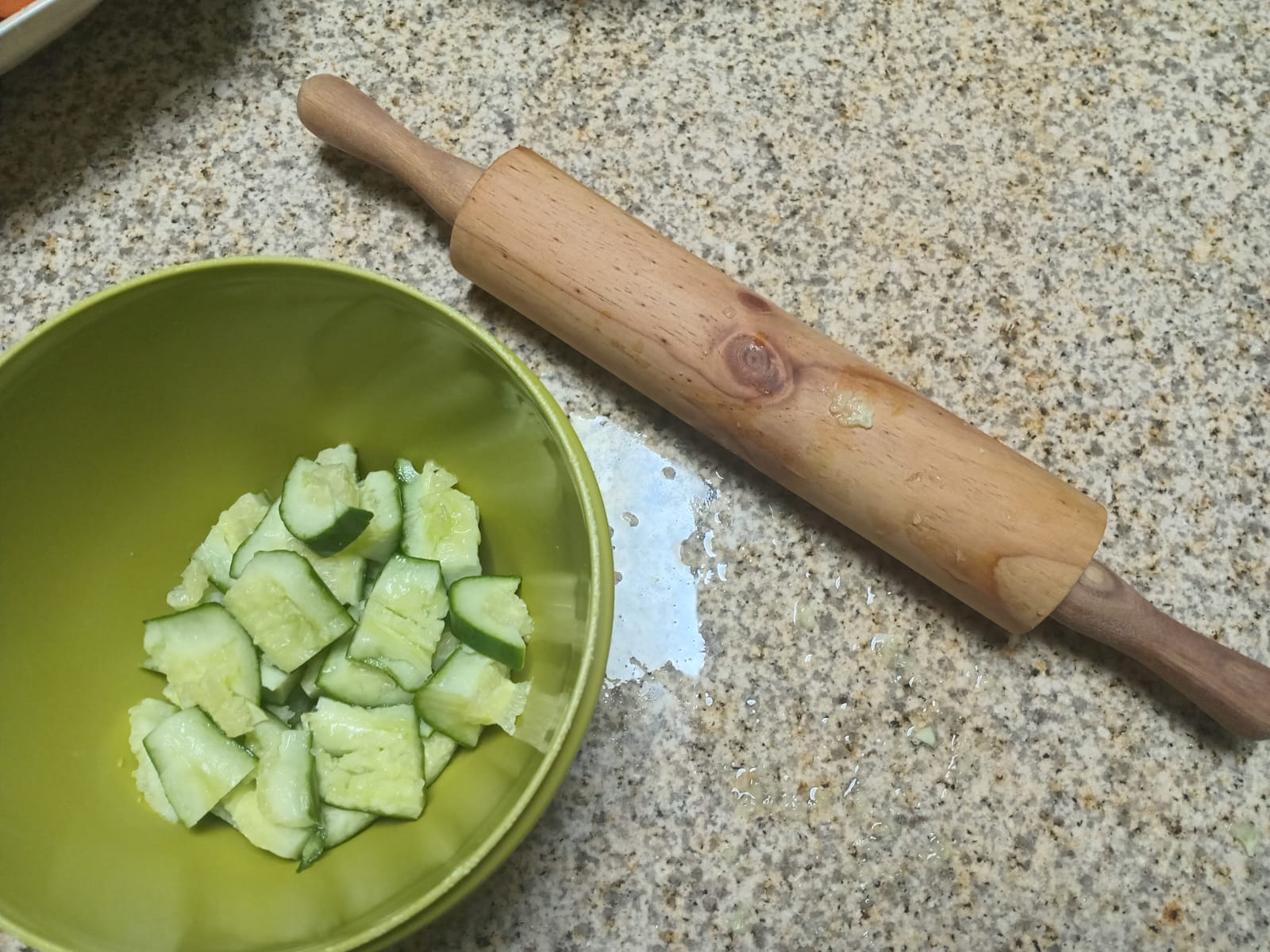
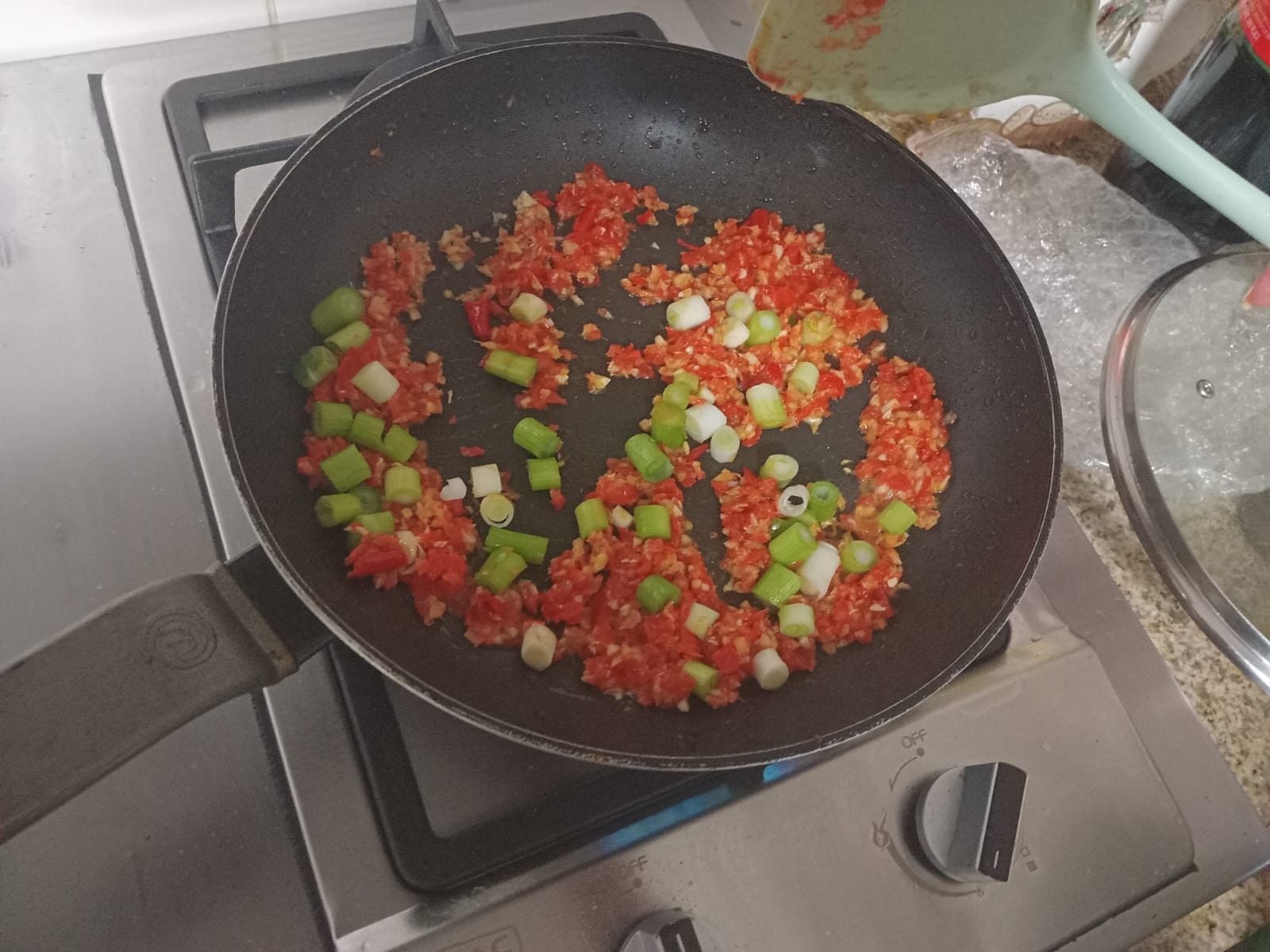
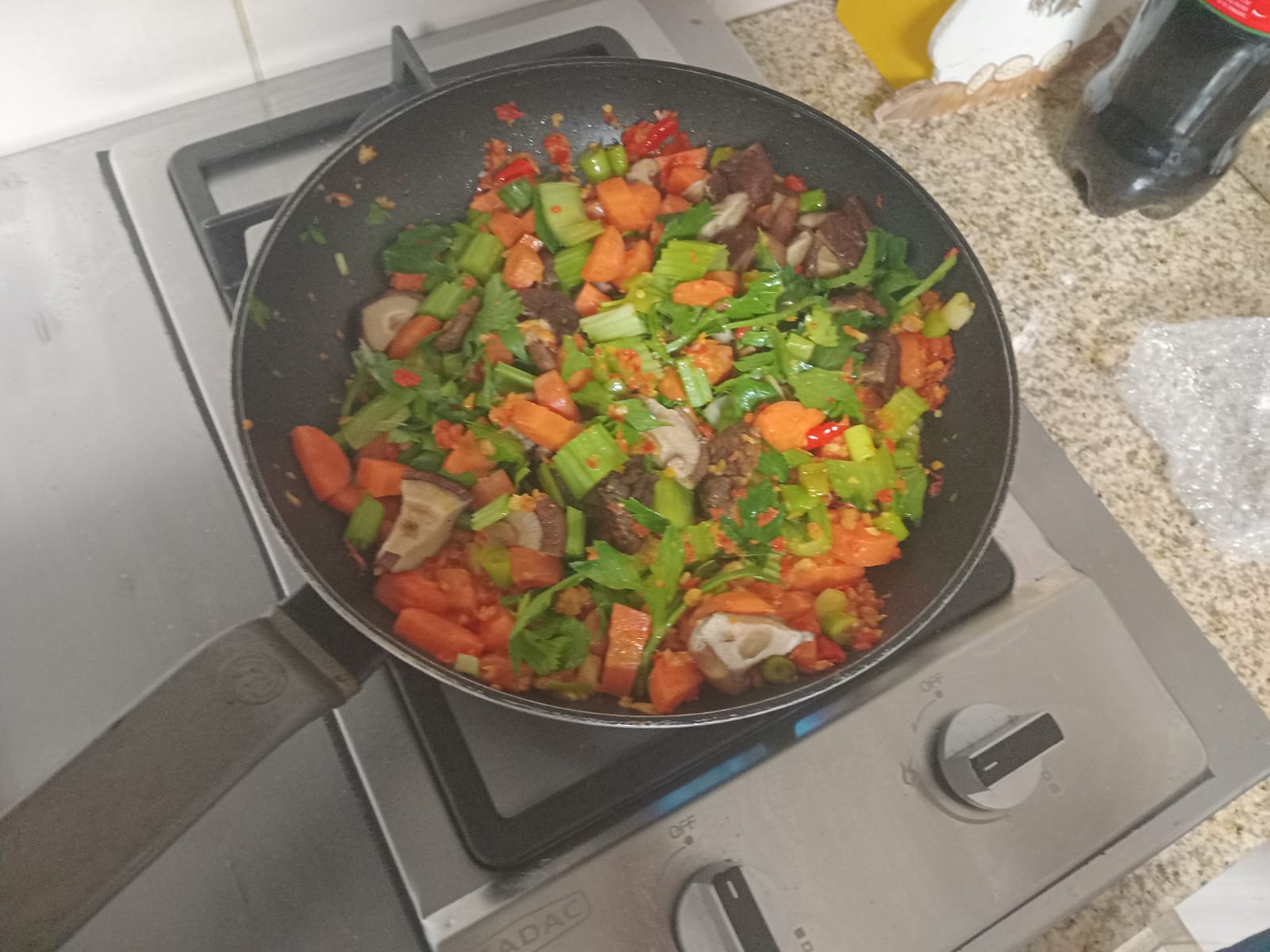
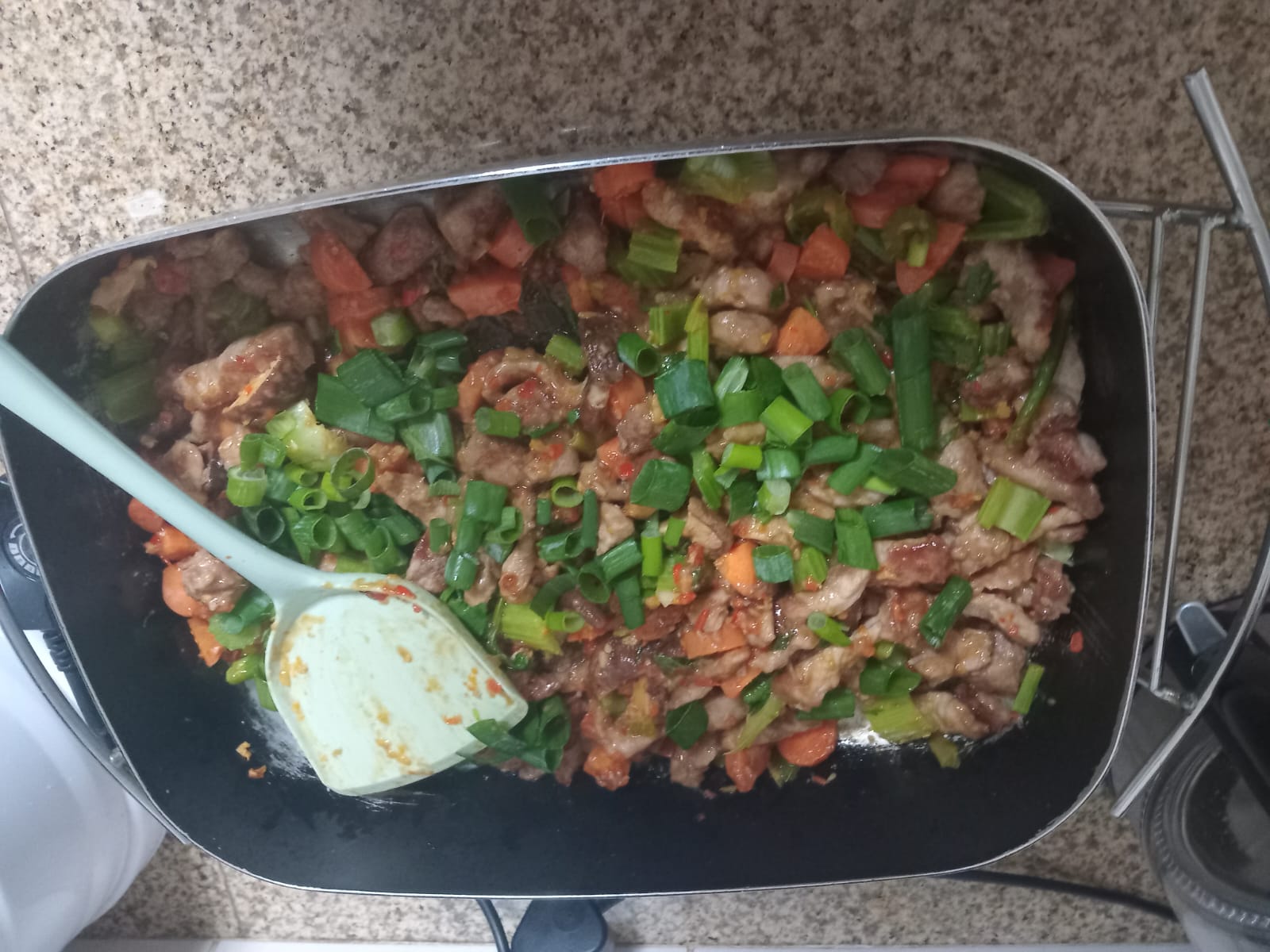
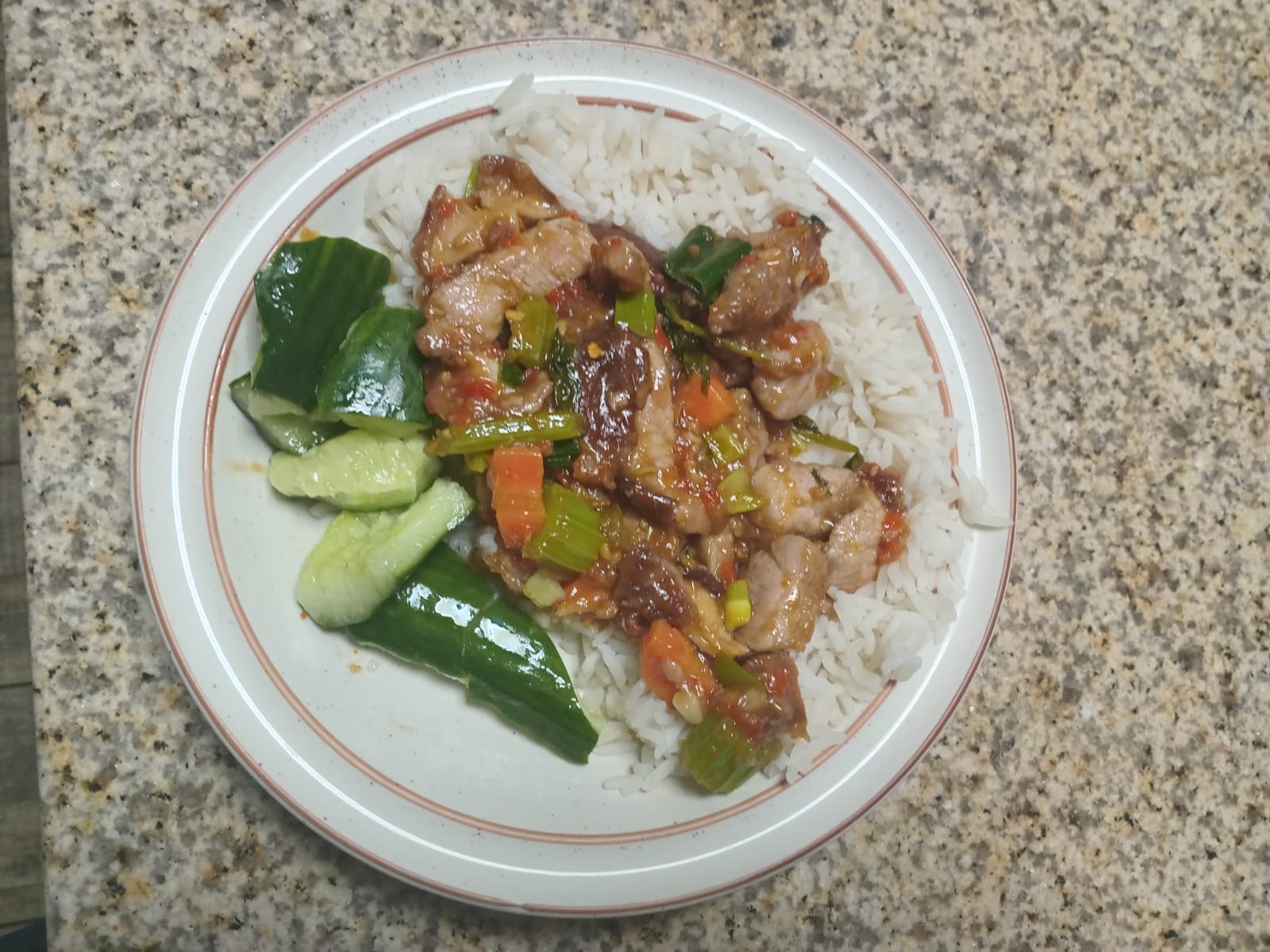
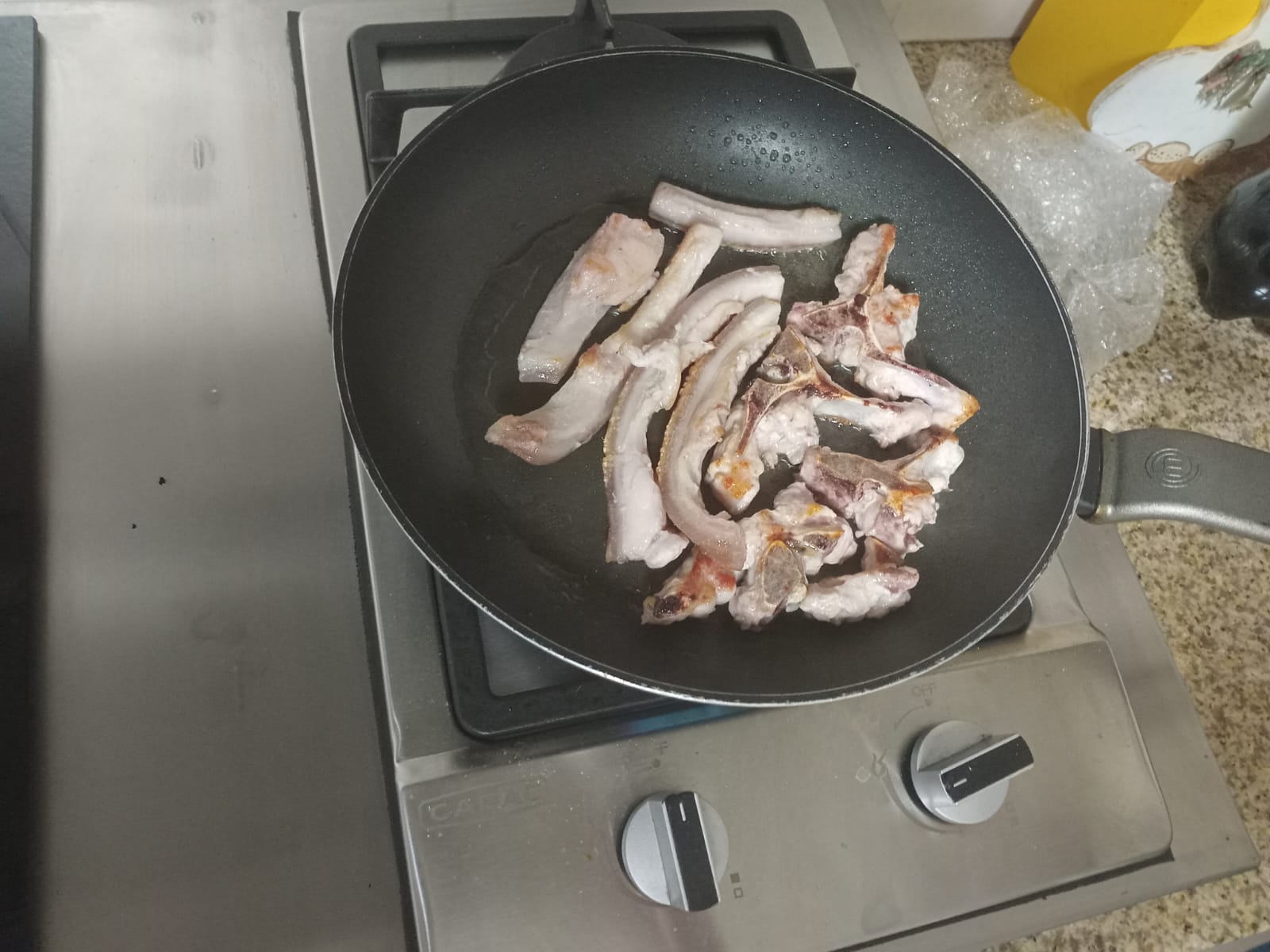
No photos: the pork searing in the wok, or the sauce going in.
很好吃!挺辣的,可是不会太辣;酸、甜、咸都刚好。大家都很喜欢。
hěn hǎochī! tǐng là de, kěshì bú huì tài là; suān, tián, xián dōu gānghǎo. dàjiā dōu hěn xǐhuan.
Delicious. Pretty hot, but not too hot. The sweet, sour and savoury balance was good, with a bit of a bite. It went down well.
The individual units for later retrieval; the page gives them a meaningful first encounter.页面负责把词放进一件事里;这些小卡才是以后间隔复习的单位。
是用猪肉丝做的。因为用了做鱼的调料,所以名字里面有「鱼」;可是菜里面没有鱼。
先放一些油,油热后放猪肉丝;然后加姜、蒜、红辣椒,再加竹笋丝和木耳丝;最后放准备好的汁。
我吃过。我觉得有一点儿辣。
我没吃过,可是我想尝尝。